
NB: This Comptoir Prospectiviste production was developed within the framework of the CNES–ESA Space Transportation HUB. It is a speculative text designed to spark reflection.
This does not represent any official institutional position.
The United States and China are already on the Moon.Each side is digging into the regolith, at the lunar South Pole, with the intention of staying. In Europe, some observers might sound the alarm: “This is serious.” Within the Space Transportation HUB, we, the European space transportation industry, would rather say: “It’s time to wake up.”
If Europe wants to pursue its own space destiny—an existential challenge—and avoid being relegated to the role of auxiliary supplier, it must commit to a series of urgent projects that will secure its space sovereignty. That is why we, the members of the Space Transportation HUB, are addressing this opinion piece to all the most important media of the continent, dealing with wide audiences across institutions, industry, and the general public.
Europe’s leaders—and their citizens—need to understand that the cultural and institutional traits that define the continent, seen by some as strengths and by others as weaknesses, must not become liabilities in such a competitive, high-tech field as aerospace. The slow, consensus-driven pace of European institutions—the train de sénateur, as the French say—remains fundamentally at odds with the speed at which global competitors are advancing. Yet consensus is also part of Europe’s DNA, in the EU and within ESA. Reconciling these two realities is now critical.
A wake-up call is overdue. Some skeptics already wonder how Europe’s aerospace industry has managed to survive as long as it has. In this context, the Space Transportation HUB calls on policymakers, academia, industry, start-ups, experts, and the wider public to reflect on three challenges that Europe cannot ignore if it is to maintain independent access to space. At stake is nothing less than European sovereignty—and the sovereignty of its citizens.
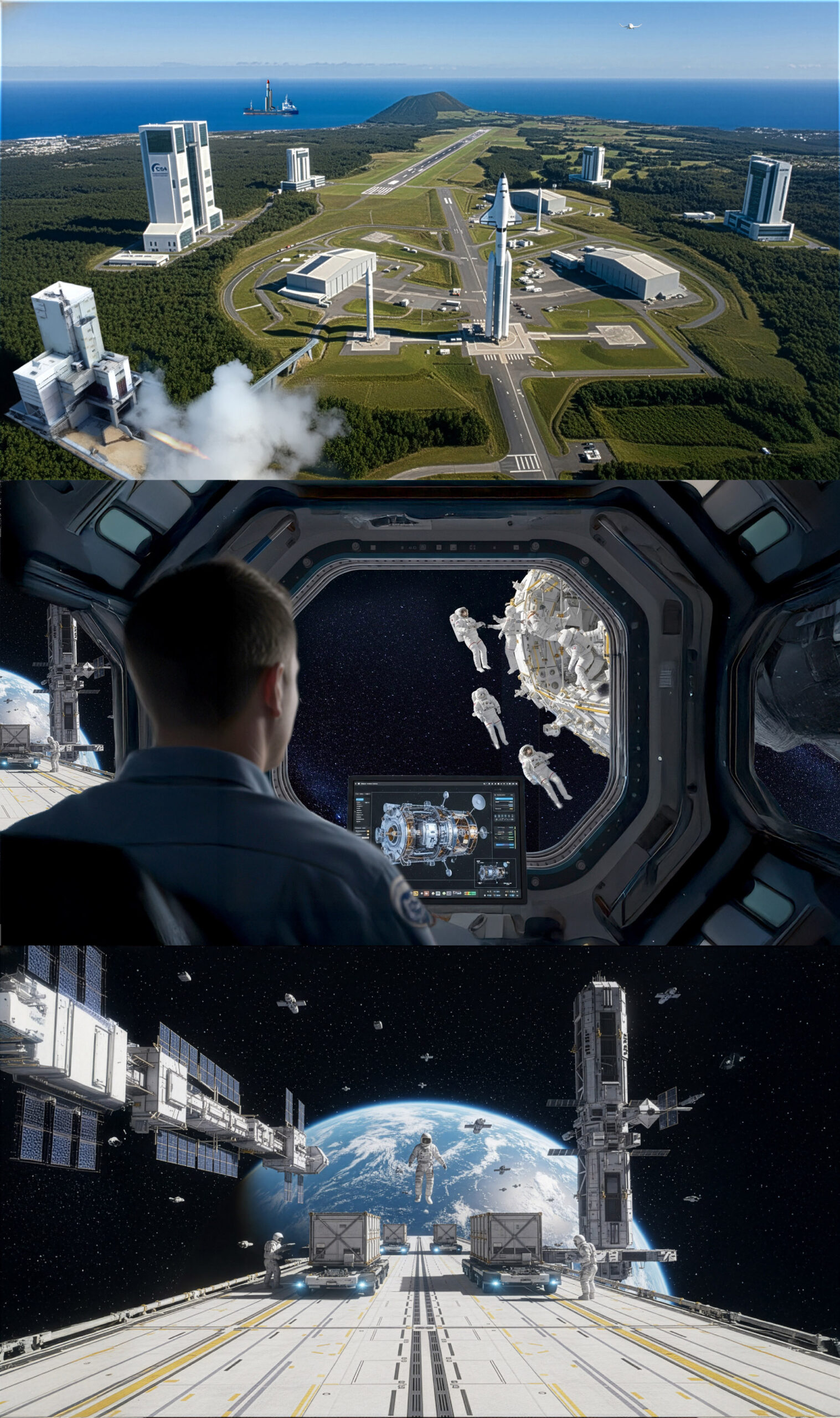
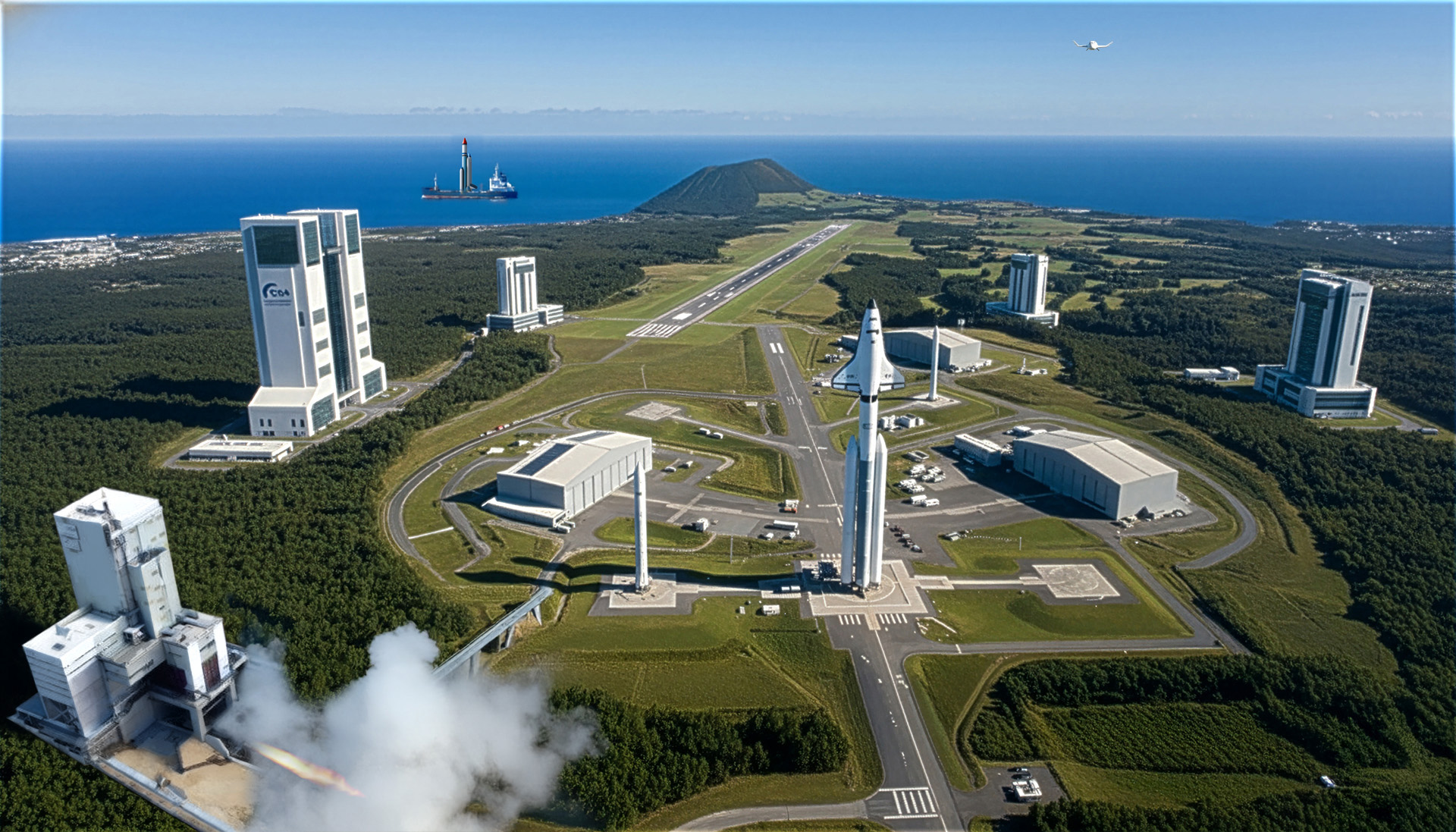
First, Europe must invest in terrestrial infrastructures for space transportation. The industry’s realities—far removed from Hollywood-style visions—require the development of both software and physical platforms. These must be structured to allow for the pooling of testing facilities that can serve established players as well as fragile European start-ups. Europe must also plan for spaceports, landing pads for reusable launchers, and runways for atmospheric re-entry vehicles. These will be essential to supporting successive generations of reusable European launchers in a fiercely competitive global environment.
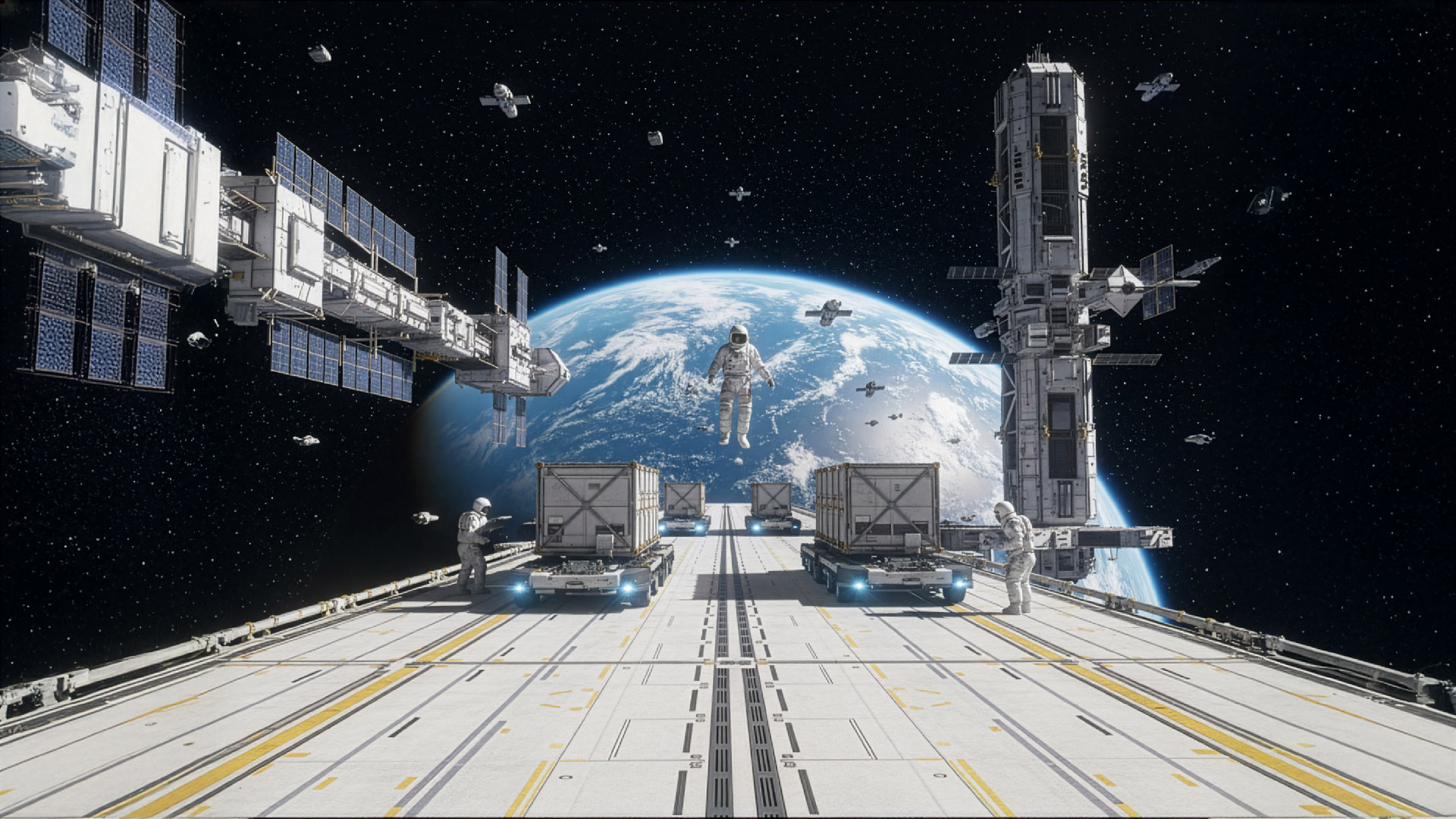
Second, Europe must look up, at the stars… to Earth orbits. Europe needs to develop its own infrastructures in low-Earth orbit and beyond: logistical hubs, transit stations, propellant depots, fleets of space tugs, and capabilities for both precision microgravity operations and the handling of large objects such as satellites. These are the strategic nodes of an emerging ecosystem, and Europe must master them. The roadmap is clear.
Third, Europe must accelerate the integration of artificial intelligence. Outside Europe, AI has already transformed space transportation. Here, in Europe, AI must play a role from the earliest stages of system design, speeding development and enabling predictive maintenance through digital twins and advanced Health Monitoring Systems. Increasingly autonomous, AI will enhance and augment all operations across space transportation systems.
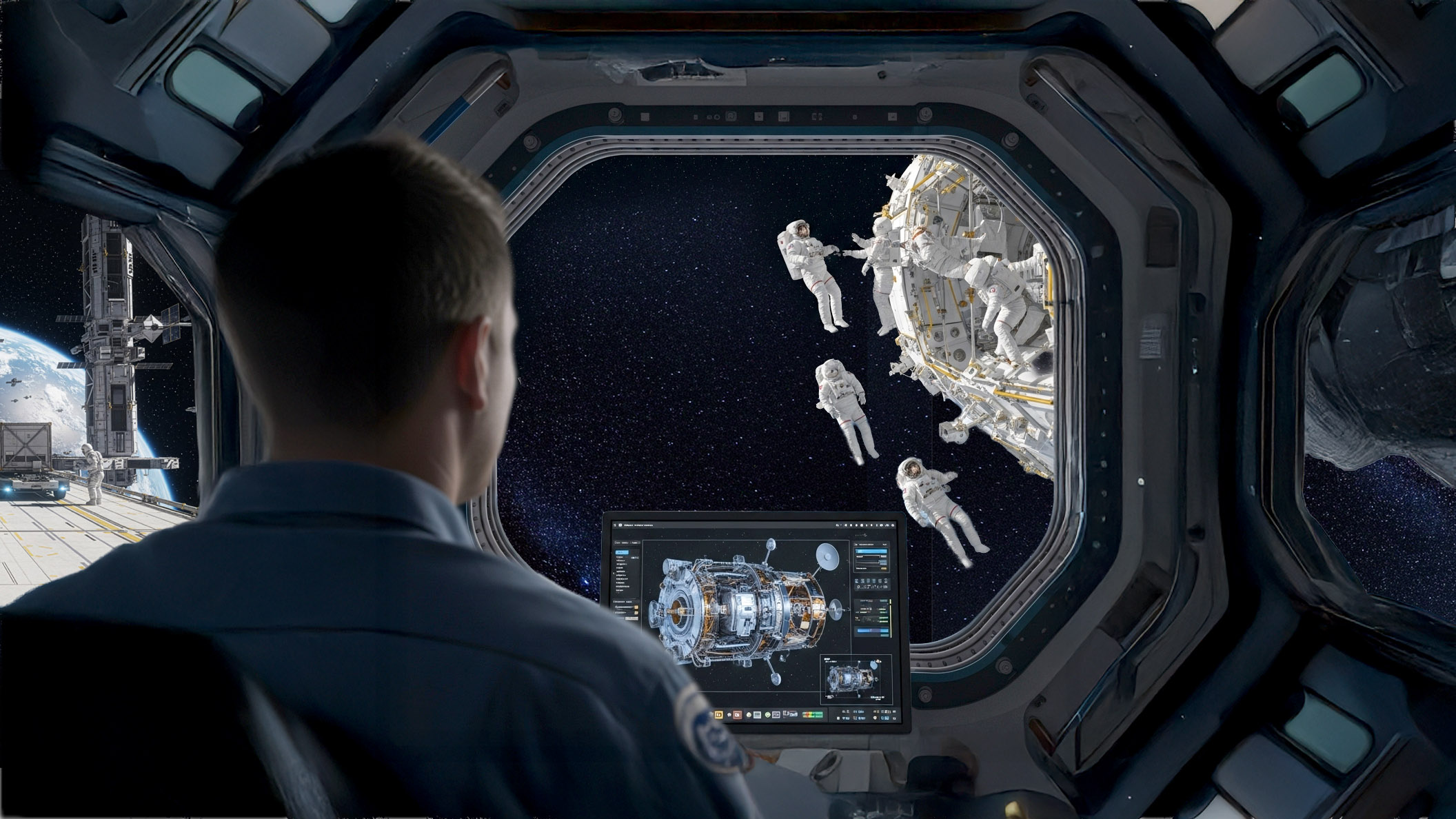
The message is urgent: Europe must awaken, or risk losing ground irretrievably. But the moment is also full of promise. Each of these challenges represents an opportunity not just to advance science and technology, but also to enrich Europe’s collective knowledge and identity. We must inspire younger generations to see space not as a new Wild West, nor as an arena for state-controlled dominance, but as a shared frontier—built for Earth and by all.
Frank Herbert, in the first volume of Dune, repeats a phrase: “The sleeper must awaken.” He wrote it for Paul Atreides, destined for greatness. We, European industrials, now make this call to Europe itself: to awaken before it is too late. Only then can space truly become a project for all, by all. But will Europe be able to wake up… before it’s too late?









Comments are closed.